

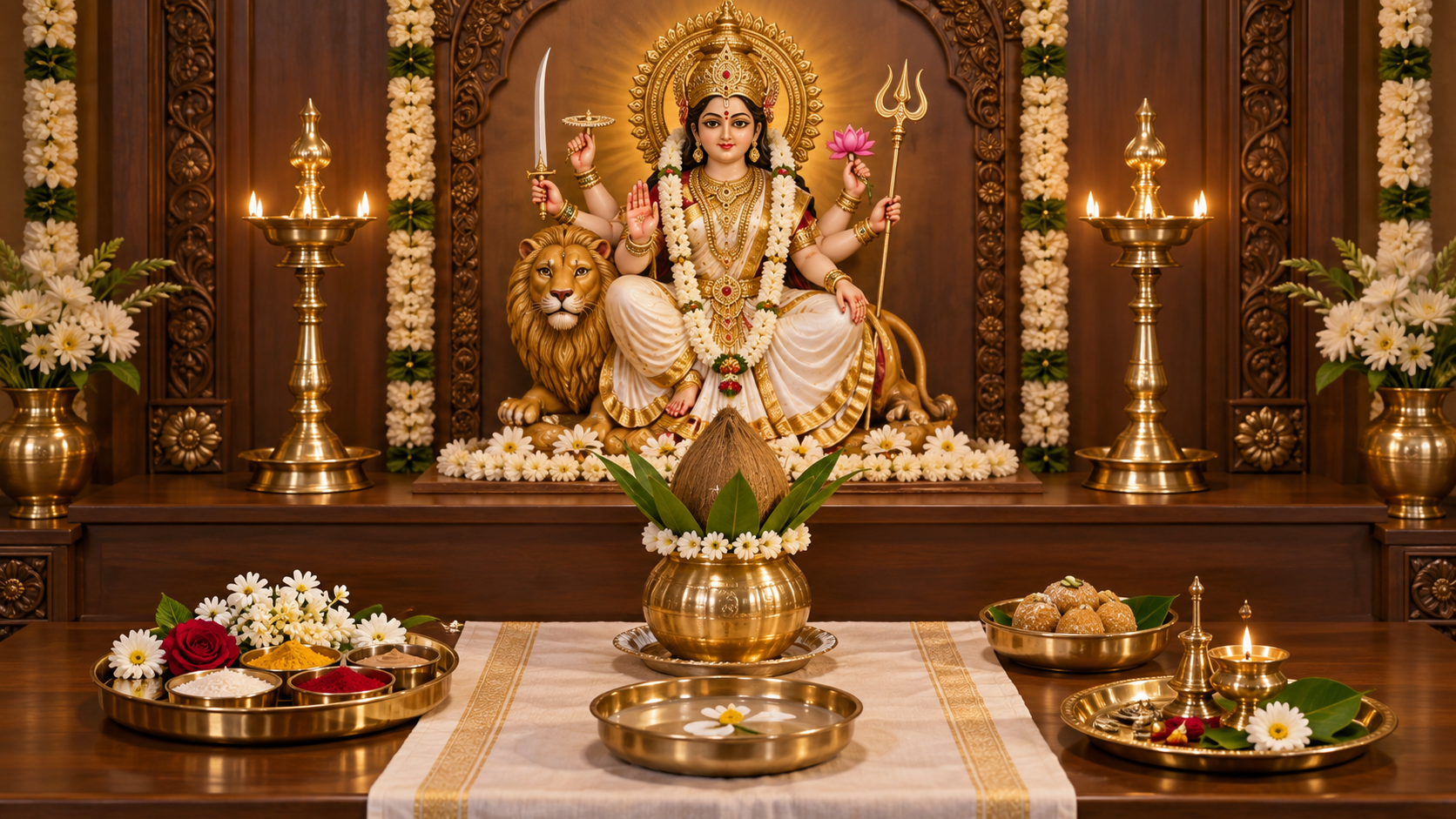
navaratri Puja
Guided, step-by-step ritual with translations and AR setup assistance.
Timing
Anytime
Best Month
All Year
Methods
Vedic
Languages
English
Why this Puja?
Navaratri honors Devi through day-specific forms. This sequence uses the Telugu/Vijayawada alankaram style so each day can carry its own deity image, verses, overlays, triggers, and audio while sharing the same runtime shell.
When to Perform
Next Occurrence
Oct 11, 2026(17 days away)
Puja Time
6:20 AM – 9:32 PM
Sharad Navaratri
Configured for the 2026 Vijayawada/Telugu-style Devi alankaram order; sequence can be reordered in config for later years.
Who Should Perform
Families and devotees observing Navaratri at home.
10-Day Navaratri Sequence
Each day opens the same guided shell with its own Devi form, image, audio, slokas, and overlays.
Sample shown below: Day 1 - Bala Tripura Sundari Devi
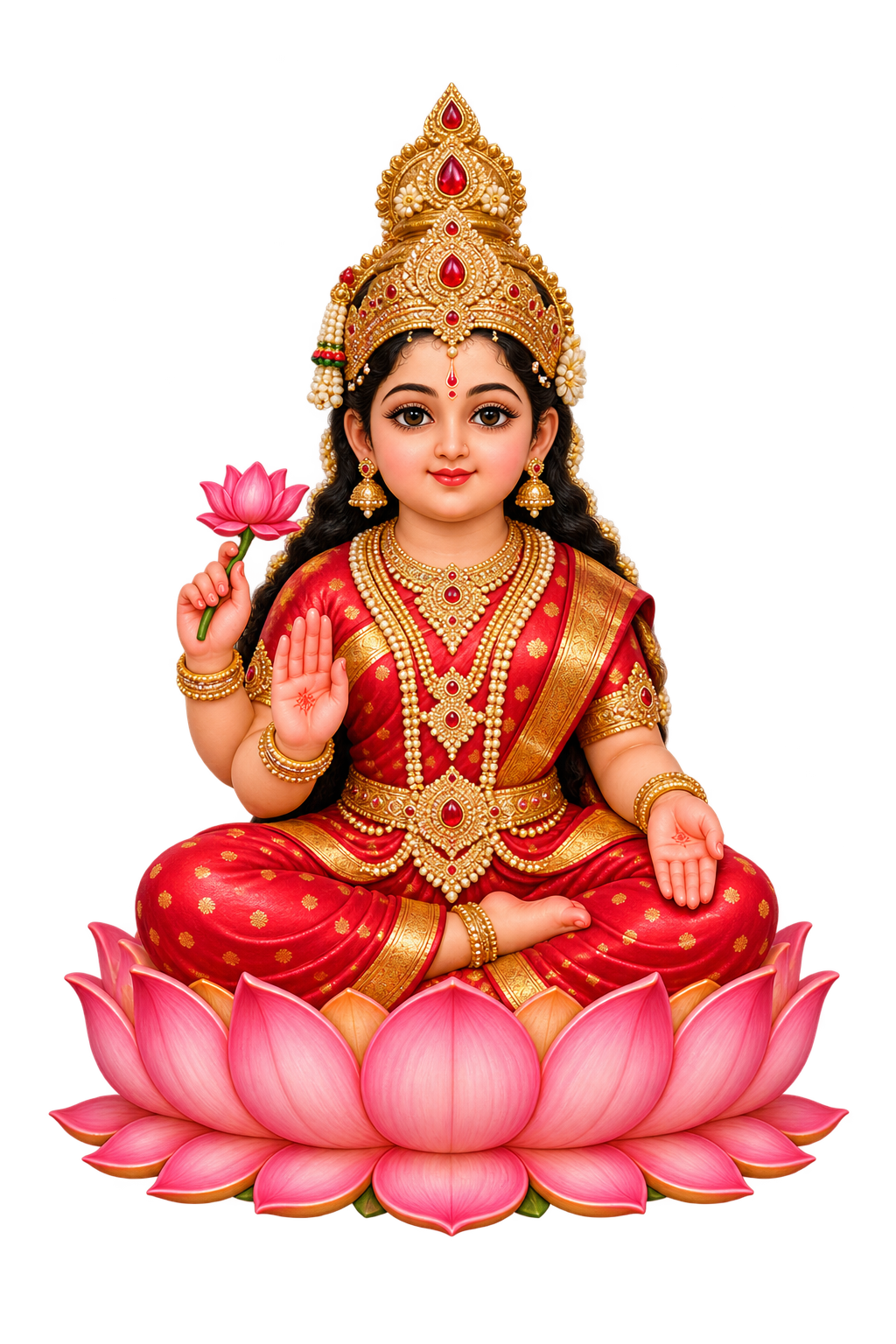
Bala Tripura Sundari Devi
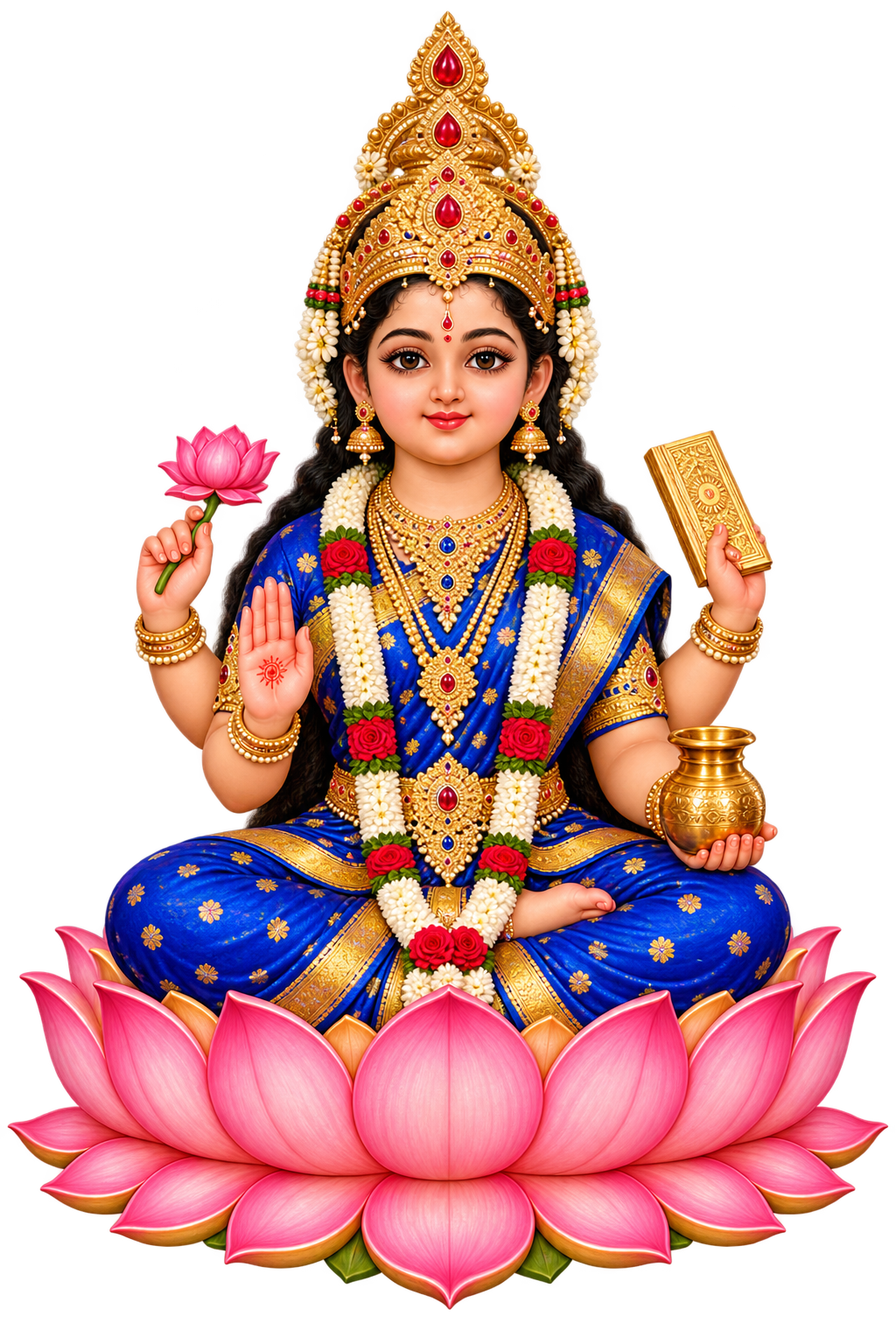
Gayatri Devi
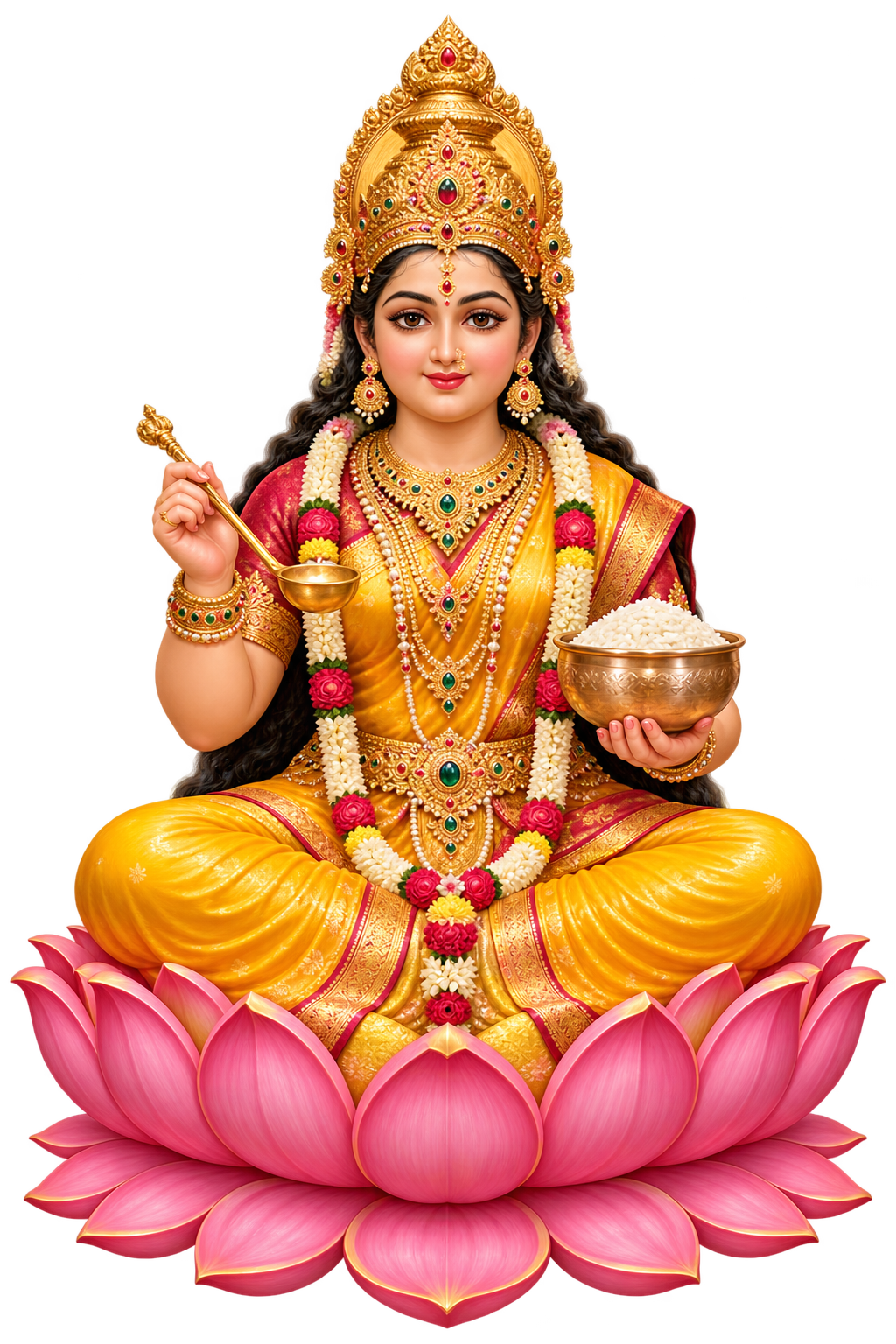
Annapurna Devi
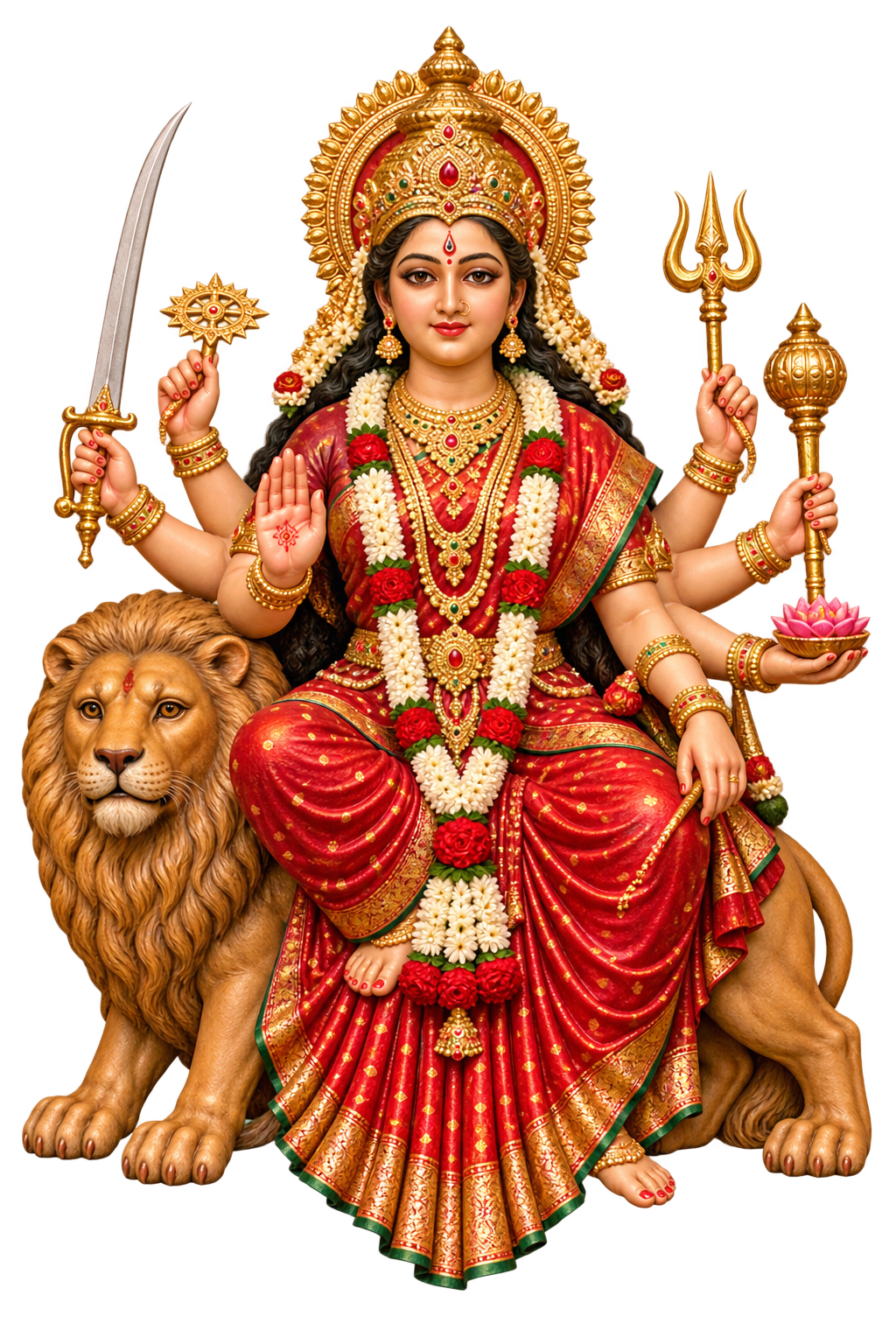
Maha Chandi Devi
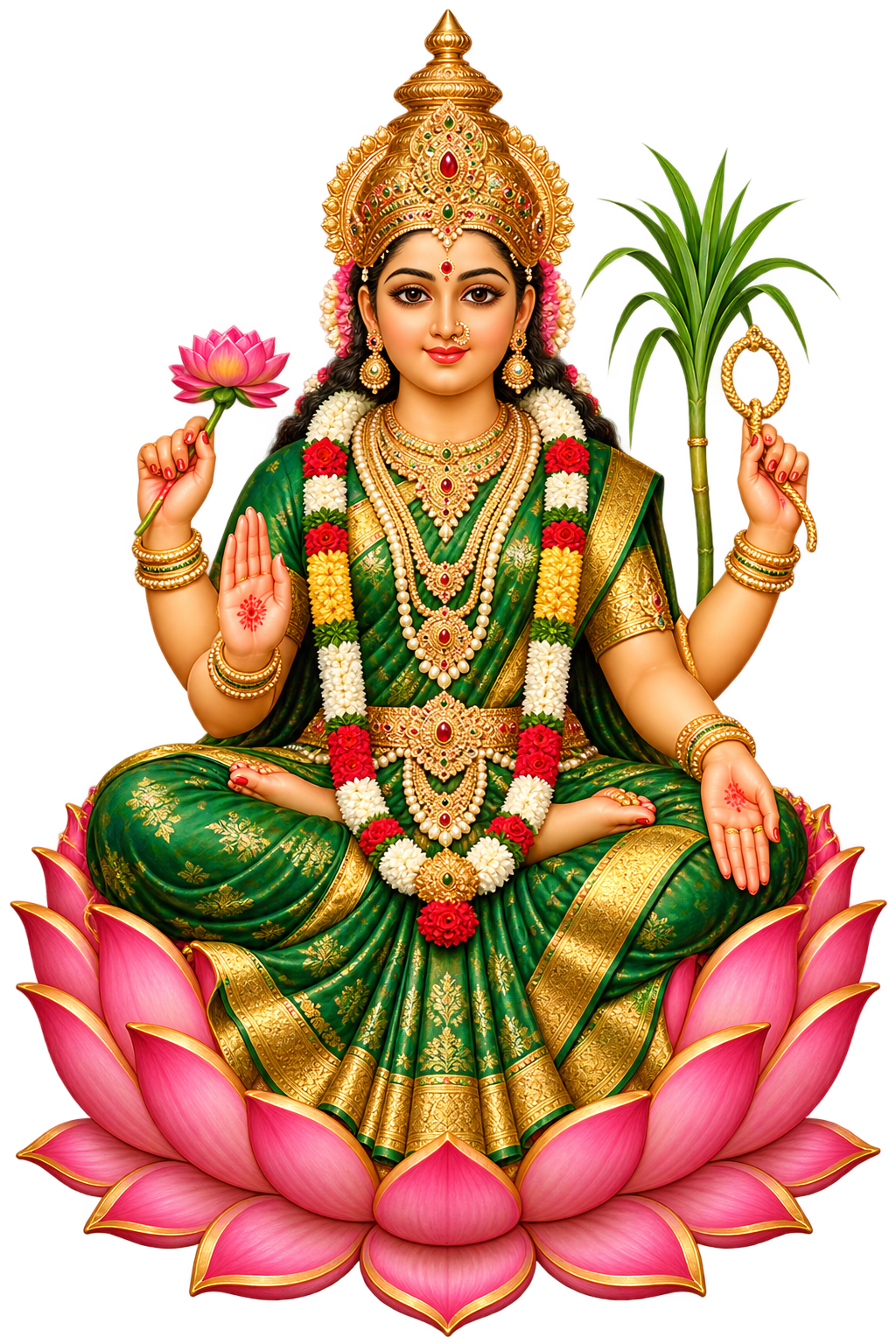
Lalita Tripura Sundari Devi
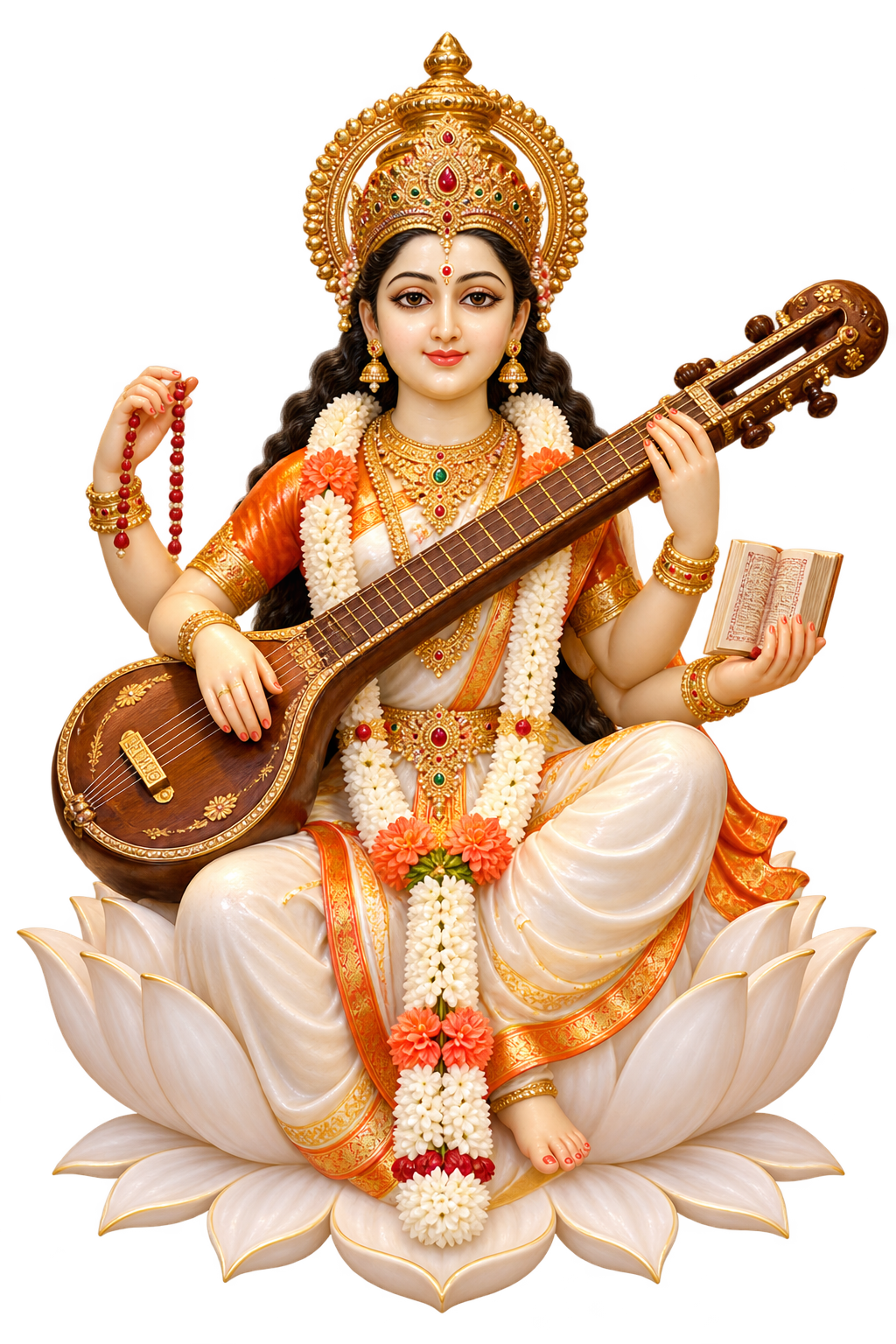
Saraswati Devi
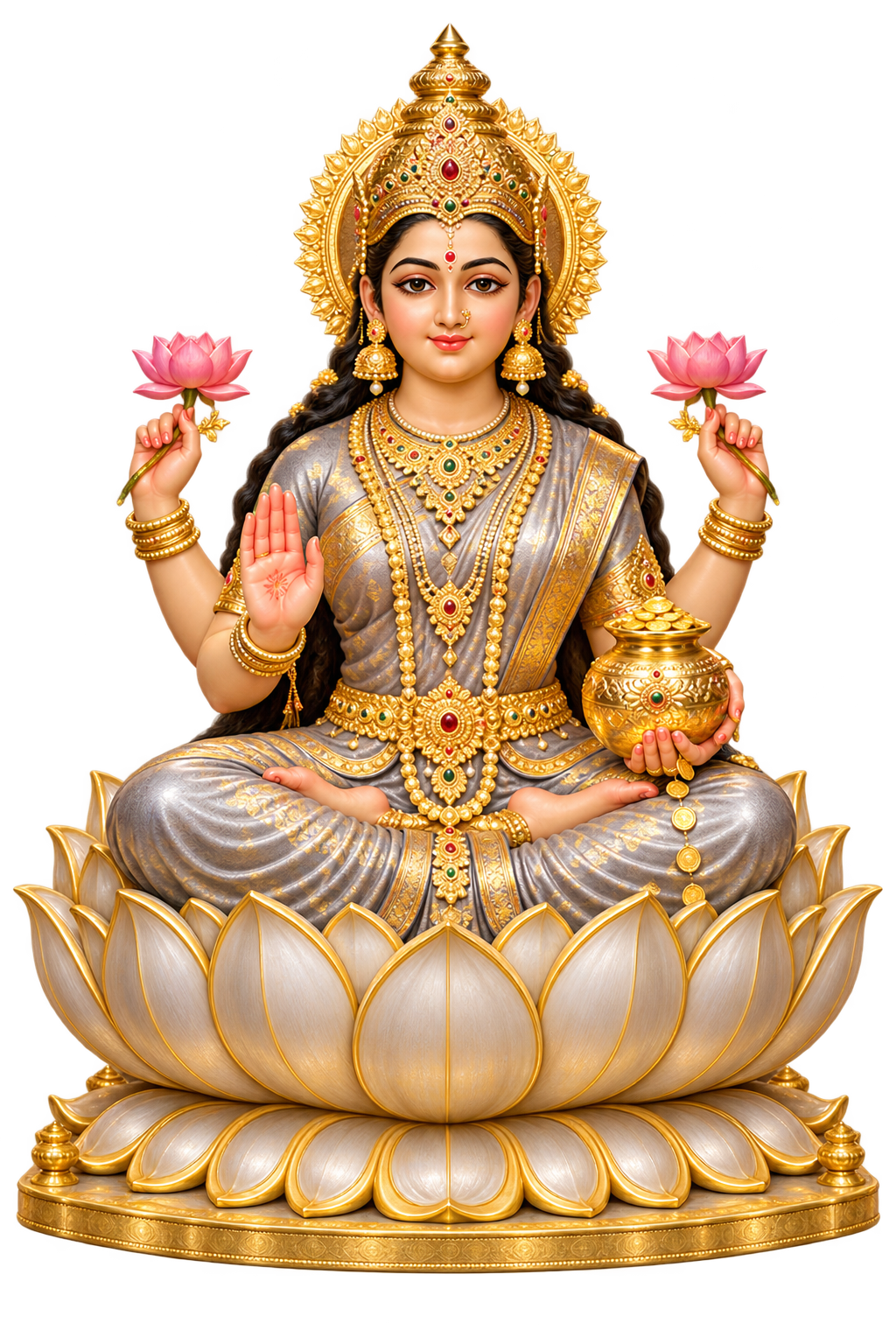
Maha Lakshmi Devi
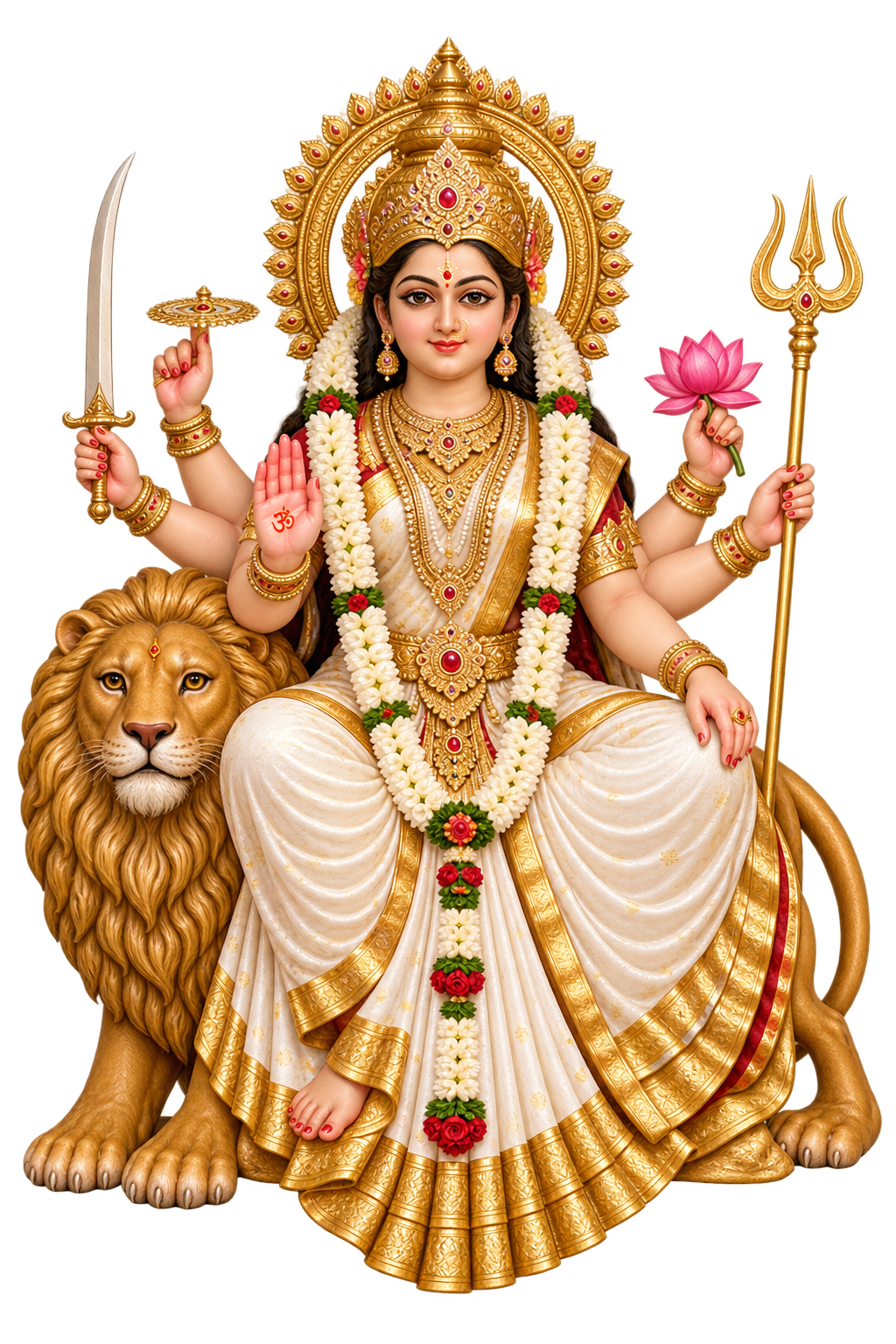
Durga Devi
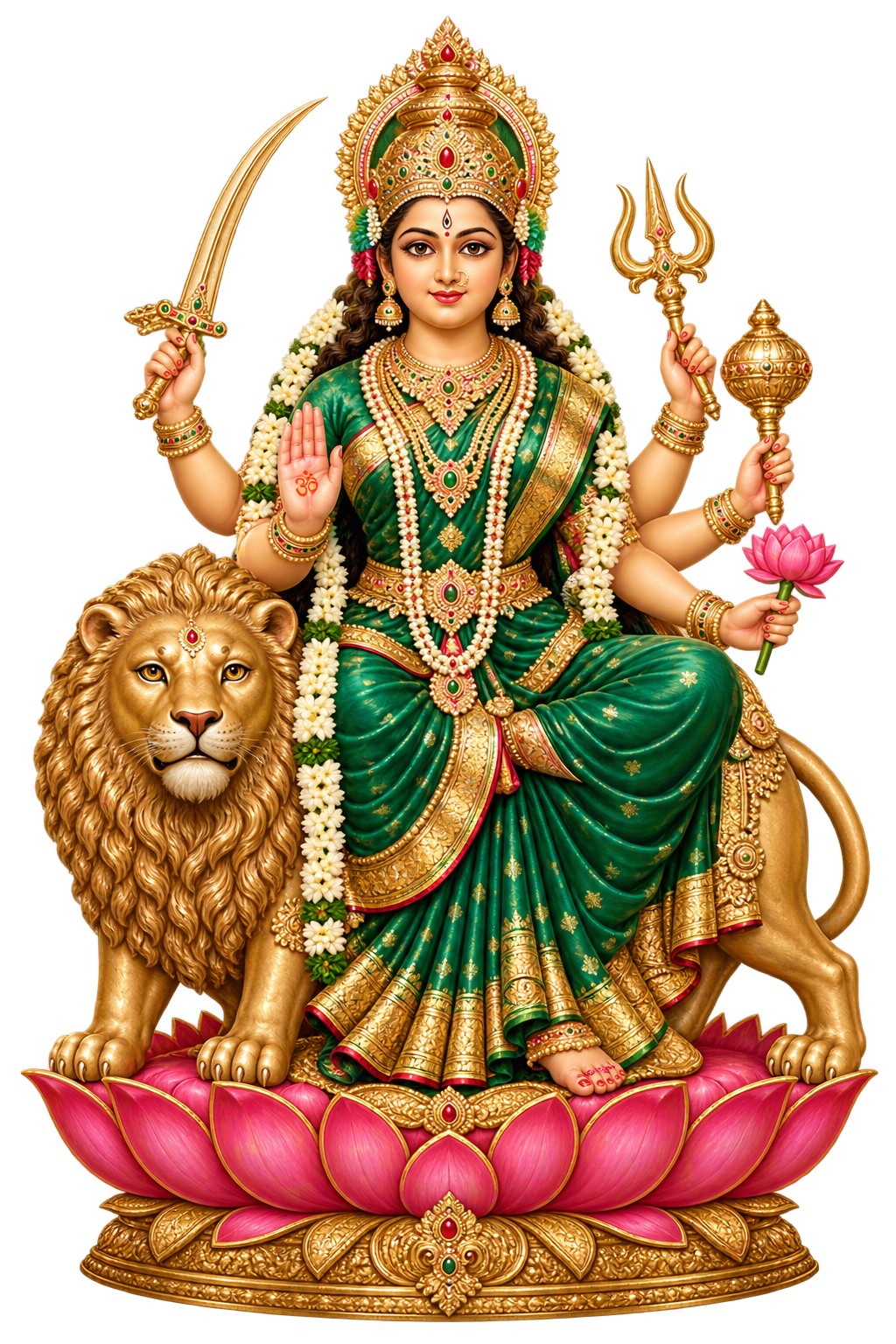
Mahishasura Mardini Devi
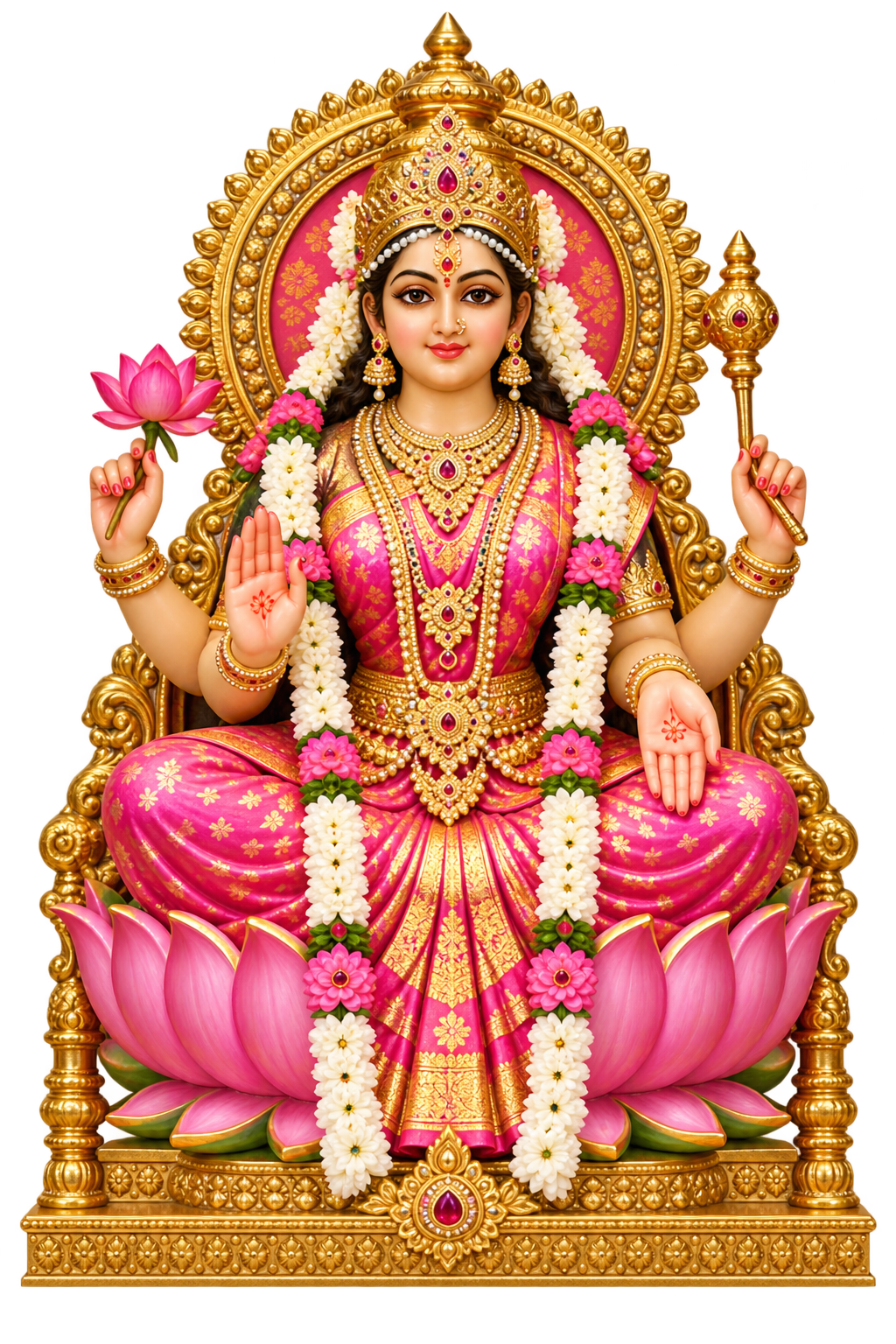
Rajarajeshwari Devi
What Makes This Puja Special
Distinctive ritual and devotional elements, and how they help the practicing devotee.
Ten-Day Devi Alankaram Sequence
Navaratri is observed as a progression of Devi worship rather than one isolated puja. In this Telugu-style sequence, each day honors a distinct form of the Goddess, including Bala Tripura Sundari, Gayatri, Annapurna, Chandi, Lalita, Saraswati, Lakshmi, Durga, Mahishasura Mardini, and Rajarajeshwari. This helps the devotee contemplate Devi through many dimensions: innocence, wisdom, nourishment, strength, learning, prosperity, protection, victory, and auspicious completion.
Shared Structure, Distinct Devi Focus
Most daily sections remain familiar across the ten days: purification, sankalpa, kalasha puja, dhyanam, avahanam, upacharas, ashtottara, naivedyam, aarti, and namaskaram. What changes is the devotional focus: the image, dhyanam, names, prayers, color, and mood of the day. This rhythm helps devotees build continuity while still honoring each Devi form distinctly.
Day-Specific Names and Prayers
Each Navaratri day includes deity-specific dhyanam, Ashtottara Nama Puja, and prarthana wherever the tradition provides them. Reciting the names of that day's Devi form helps the devotee meditate on a particular expression of Shakti instead of treating all days as identical. The practice deepens attention, gratitude, and personal connection to the Goddess over the festival.
Festival Continuity Across Days
Navaratri devotion grows through repetition, but not mechanical repetition. Returning each day to a familiar puja structure while shifting the Devi form gives the devotee a steady devotional discipline across the festival. This daily return helps families create a sacred rhythm at home and experience the festival as a gradual unfolding of Devi's grace.
What PujaZen Guides You Through
A complete ritual experience — from setup to closing blessings.
Prepare
- Materials & shopping list
- Altar layout with AR guidance
- Kalasha setup
Personalize
- Sankalpa — your personal intention
- Your name, family & occasion
- Personalized invocation
Purify
- Achamanam & Pranayama
- Prokshanam purification
- Kalasha Puja & Prana Pratishtha
Offer
- Guided Shodashopachara sequence
- Snanam, Gandham, Pushpam, Vastram
- Anga Puja, Patra Puja & Durva Puja
Complete
- Naivedyam & Tamboolam
- Aarti & Pradakshina
- Prasadam & closing blessings
Key Mantras
A sample of sacred verses from this puja — heard and chanted step by step inside PujaZen.
Sharira Shuddhi
ōṃ apavitraḥ pavitrō vā sarvāvasthāṃ gatō'pi vā yaḥ smarēt puṃḍarīkākṣaṃ sa bāhyābhyaṃtaraḥ śuciḥ puṃḍarīkākṣa puṃḍarīkākṣa puṃḍarīkākṣāya namaḥ
This purification verse invokes inner and outer cleanliness before worship. The words being recited appear on the right.
Used in: Recited during Sharira Shuddhi
Ganapati Puja
ōṃ gaṃ gaṇapatayē namaḥ vakratuṃḍa mahākāya sūryakōṭi samaprabha nirvighnaṃ kuru mē dēva sarvakāryēṣu sarvadā ōṃ śrī mahāgaṇapatayē namaḥ puṣpāṇi samarpayāmi
Brief Ganapati worship removes obstacles before the main Devi worship. The words being recited appear on the right.
Used in: Recited during Ganapati Puja
Shuddhodaka Snanam
ādityavarṇē tapasō'dhijātō vanaspatistava vṛkṣō'tha bilvaḥ tasya phalāni tapasā nudaṃtu māyāṃtarāyāśca bāhyā alakṣmīḥ
Shuddhodaka snanam completes the bathing with pure water. The words being recited appear on the right.
Used in: Recited during Shuddhodaka Snanam
Deepam
ārdrāṃ puṣkariṇīṃ puṣṭiṃ piṃgaḷāṃ padmamālinīm caṃdrāṃ hiraṇmayīṃ lakṣmīṃ jātavēdō ma āvaha ghṛtavartisamāyuktaṃ aṃdhakāravināśakam deepam dāsyāmi varadē gṛhāṇa muditā bhava
Deepam offers light as knowledge, clarity, and auspiciousness. The words being recited appear on the right.
Used in: Recited during Deepam
Completion
anayā dhyānāvāhanādi ṣōḍaśōpacāra pujayā bhagavatī sarvātmikā śrī bālā tripurasuṃdarī suprītā suprasannā varadā bhavaṃtu akālamṛtyaharaṇaṃ sarvavyādhinivāraṇam
This recitation supports the Mangalam step. The words being recited appear on the right.
Used in: Recited during Completion